

Crash Course: Truffles
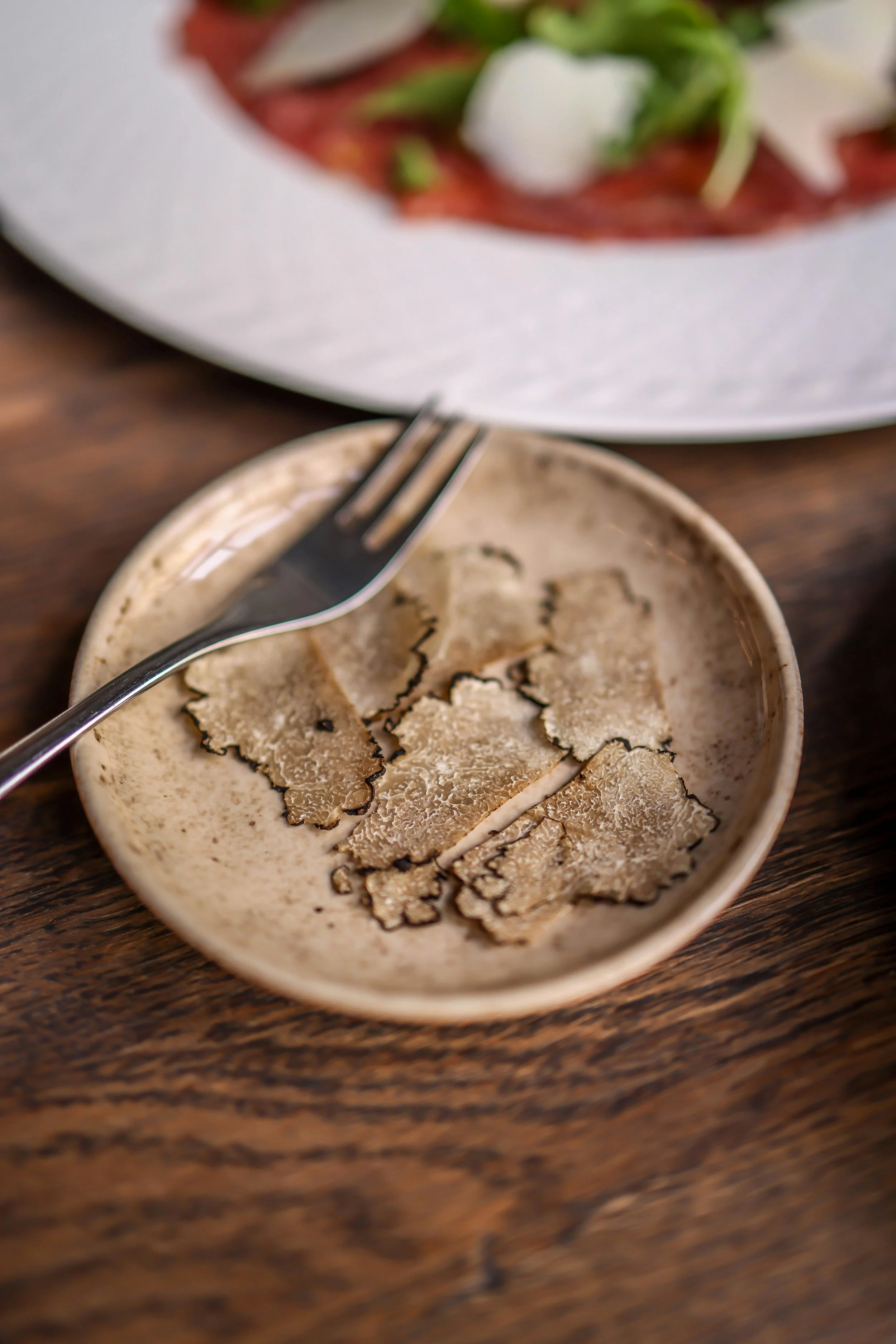
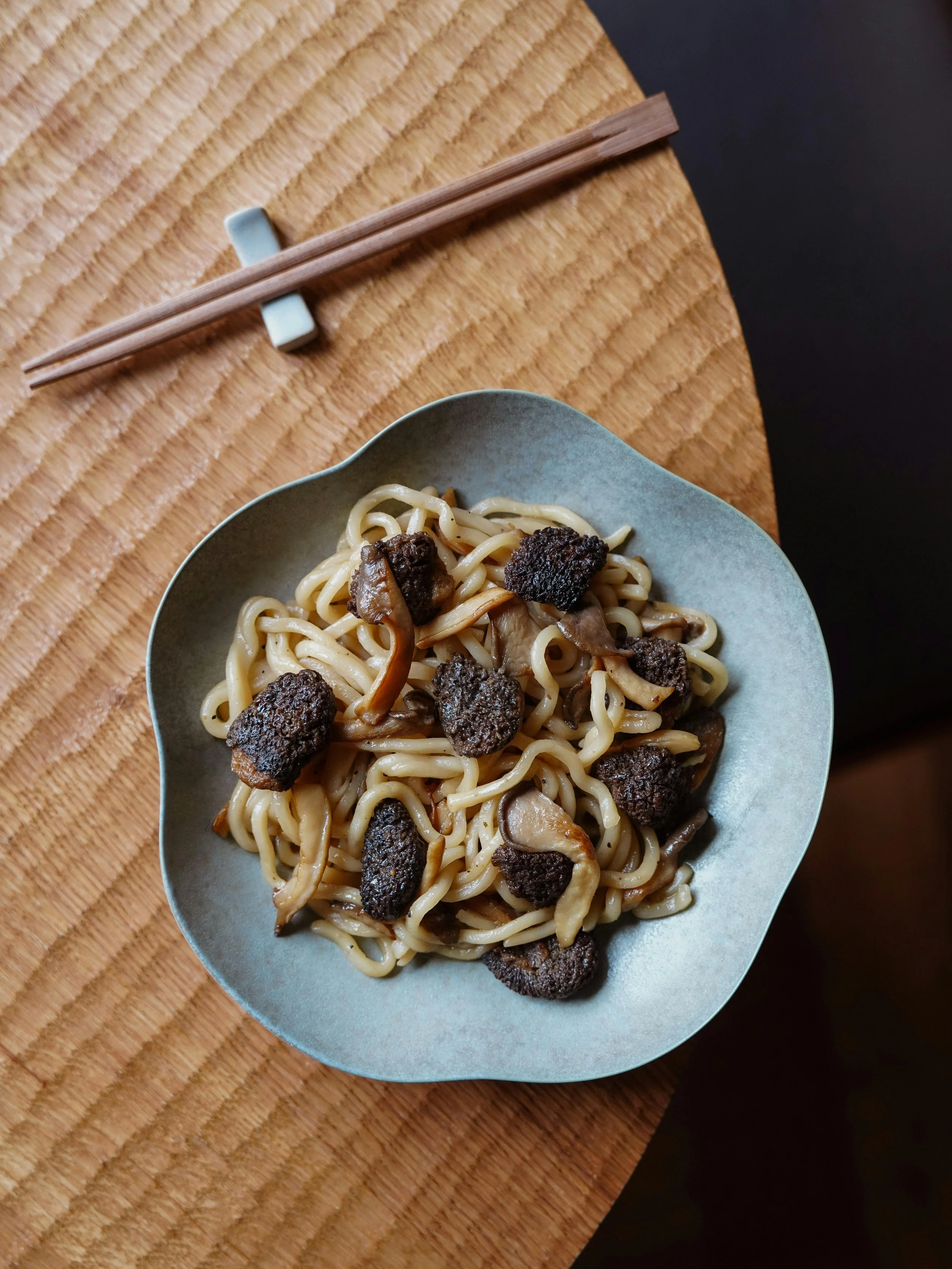
You could say 2025 was the Year of the Truffle, as the luxury ingredient seemed to pop up on menus everywhere. Read on to learn all about this beloved earthy gem.
If you’ve dined out at all this past year, you’ve probably noticed that truffles have been having a moment. They’ve been ubiquitous on menus, appearing in everything from pasta to desserts. So what exactly IS a truffle and why is it such a prized ingredient? We’re here to decode the truffle mystique!
IS A TRUFFLE A MUSHROOM?
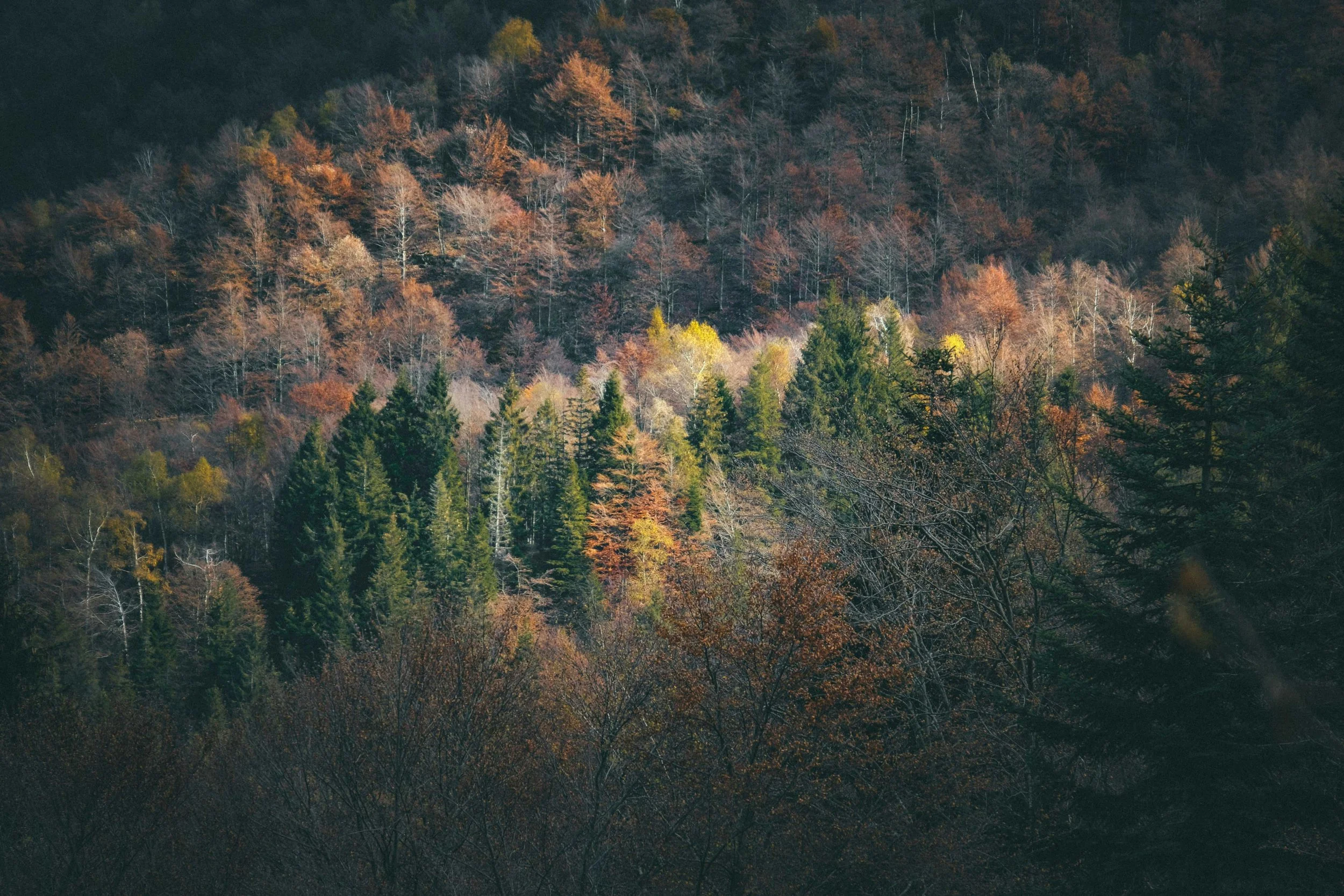
Yes and no. While truffles, like mushrooms, are part of the fungi kingdom, they are actually tubers that, unlike mushrooms, grow entirely underground. And you can’t plant them; they only grow in certain terrain, in wild forests. Which is kind of what makes them so special!
WHERE EXACTLY DO THEY GROW?
Truffles thrive in the wild in moist terrain, in areas with warmer days and cooler nights. Italy is known as a hot spot for truffles, mainly in northern and central regions of the country, but they also grow in other European countries including France, Croatia, and Slovenia.
ARE THERE DIFFERENT TYPES OF TRUFFLES?
Yes. White truffles are relatively rare, growing mainly in the Piedmont region of Italy, as well as in Croatia. They have a strong, garlicky, musky flavor. White truffles grow in many countries, including Italy and the Périgord region in southern France and have a more subtle flavor that blends well into sauces.
HOW ARE THEY HARVESTED?
If we’re talking about real, wild truffles (the good stuff), it’s not an easy process. First, the harvesting season is short, lasting only a few months in the fall and early winter. Second, hunters require the assistance of trained truffle sniffers—pigs and/or dogs—who root out the tubers with their superior sense of smell so their human hunters can then carefully dig them up.
ARE THEY EXPENSIVE?
Extremely! Because wild truffles are so rare and difficult to harvest, they come with a hefty price tag—around $4,000 a pound for white and $300-$800 a pound for black (depending on the variety).
TRUFFLE IMPOSTERS!
Many chefs and general foodies have a warning: Not everything you see on menus labeled “truffle” is the real thing. Some restaurants have jumped on the truffle bandwagon by using synthetic truffle oils and flavorings to make things like “truffle espresso martinis,” but there are not actual truffles in the cocktail (otherwise, it would cost you a really pretty penny). Others are sourcing truffles at a discount from places like Oregon and South America. While these are actual truffles, they are not the same quality as the top-tier truffles that grow in Italy and other parts of Europe.